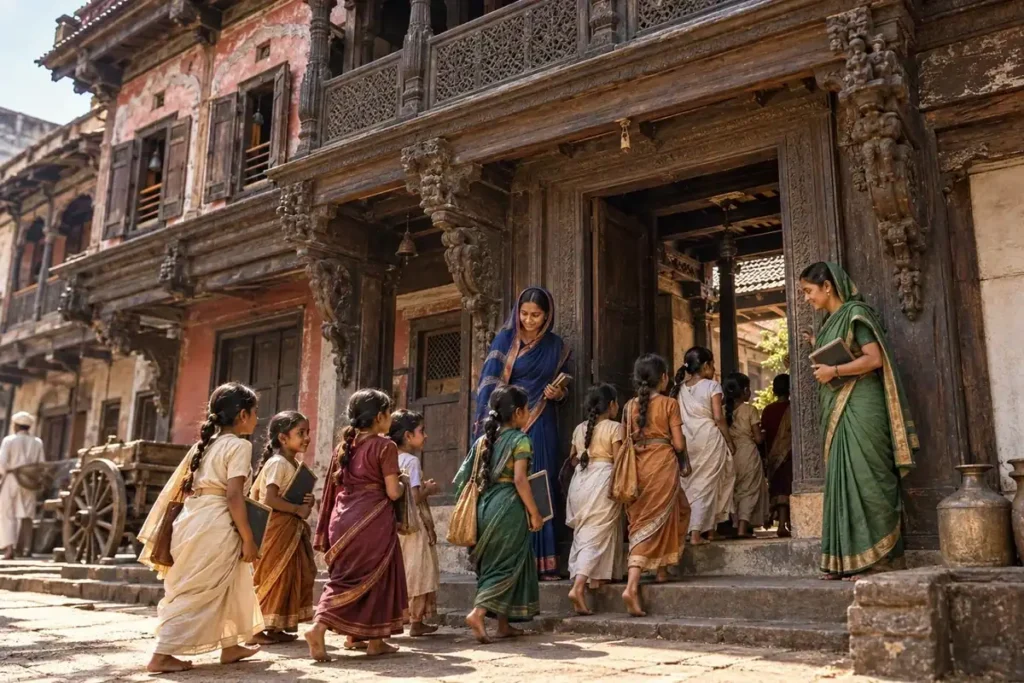
The first school for girls in India was started by Smt. Savitribai Phule and Sri. Jyotirao Phule. They started the school that was exclusively for girls, in the year 1848 at a place by name Bhide Wada in Pune, Maharashtra.
The school gave girls an opportunity to receive formal education at a time when girls had limited access to schooling. Its establishment became an important event in the history of girls’ education in India.
To this day, the school is regarded as an important milestone in the history of girls’ education in India. NCERT (National Council for Educational Research and Training) records that the students came from different social backgrounds.
Table of Contents
When Was the First School for Girls Started in India?
Savitribai Phule and Jyotirao Phule started the first school for girls in India in the year 1848, at a place called Bhide Wada in present day city of Pune in Maharashtra, India.
Savitribai Phule taught the girls and also served as the headmistress of the school, while Jyotirao Phule supported her educational endeavours.
Quick Facts
| Year | 1848 |
| Location | Bhide Wada, Pune, Maharashtra |
| People who started the school | Smt. Savitribai Phule and Shri. Jyotirao Phule |
| Teacher and headmistress | Smt. Savitribai Phule |
| Initial enrolment | Nine girls (according to NCERT) |
| Type of school | A school established exclusively for girls |
| Historical significance | Recognised as the first school in India exclusively for girls |
Where is Bhide Wada Located?
To begin with, Bhide Wada is a place, but not in the conventional sense – as in a village/town/city.
Bhide is a traditional Maharashtrian surname that’s predominantly found within the Chitpavan Konkanastha Brahmin community, native to the Konkan region of the Maharashtra.
Wada is a Marathi term for a large, traditional mansion or a courtyard house that is typical of western India.
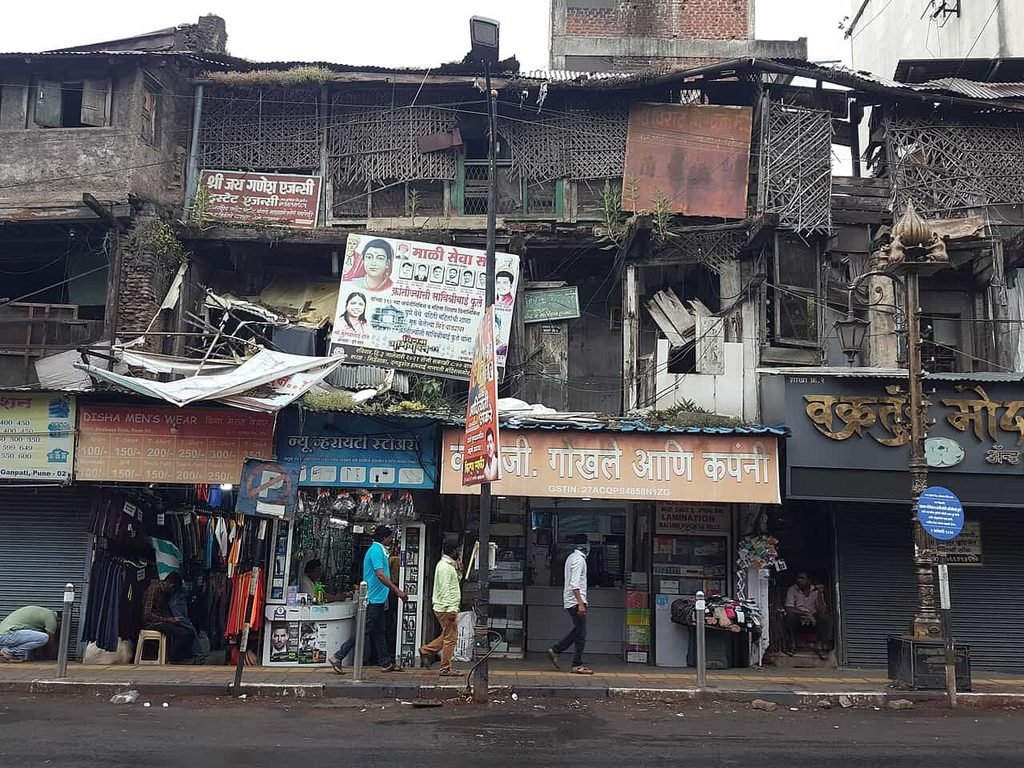
The building in Pune where the school was established was a mansion owned by one Shri. Tatya Saheb Bhide, therefore the name Bhide Wada.
In other words, Bhide Wada is not a specific area with a pin code, but a building that houses the school.
Bhide Wada Building Today
As of September 2026, Bhide Wada is under redevelopment as a national memorial. The planned memorial includes audio-video presentations, holographic installations, exhibitions, busts of Savitribai and Jyotirao Phule, a skill-development centre, guidance centre, computer training facility, and an amphitheatre.
About Savitribai Phule and Jyotirao Phule
Smt. Savitribai Phule and Shri. Jyotirao Phule worked together to expand access to education for girls, especially those from the weaker sections of the society. Their work challenged deep-rooted social attitudes during the early 19th century India that restricted girls’ access to schooling and education.
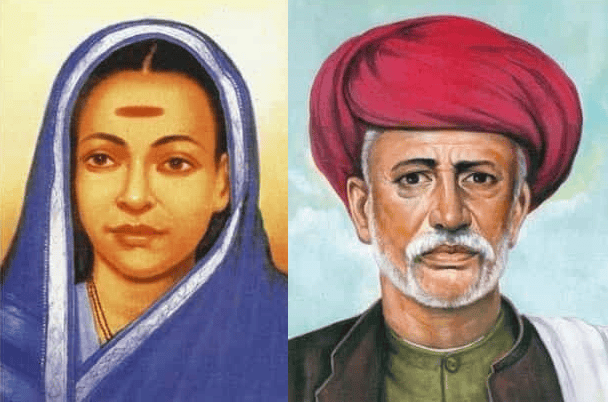
Who is Savitribai Phule?
Savitribai Phule (3-Jan-1831 to 10-Mar-1897 | 66 Years) was an educator, social reformer and poet. Not only is she a teacher at the first school for girls in India, she also served as its headmistress.
Who is Jyotirao Phule?
Jyotirao Phule (11-Apr-1827 to 28-Nov-1890 | 63 Years), also known by many as Jyotiba Phule, was a writer, businessman, social reformer and educator who supported education for girls and from disadvantaged communities.
He worked closely with Savitribai and supported her with the early development of girls’ education in India.
Significance of The First School For Girls in India
The school gave girls access to formal education at a time when girls’ education faced strong social opposition. Its establishment challenged the mid-19th century social belief that formal schooling should be limited only to boys.
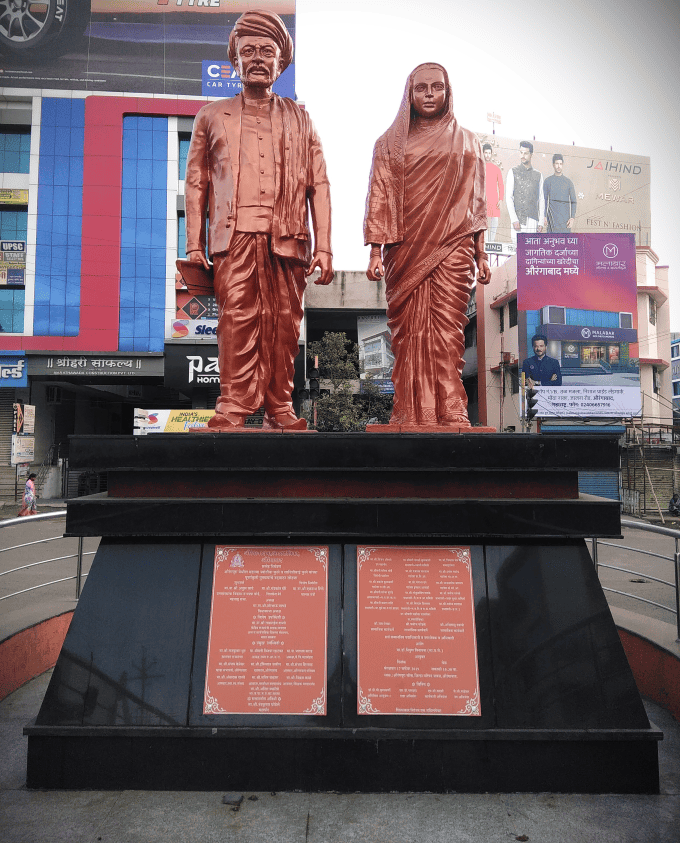
The school also showed that girls could receive structured formal education and learn from a woman teacher. Savitribai Phule’s role as teacher and headmistress gave the school an exclusive place in India’s education history.
NCERT also records that they opened five more schools for girls in the very same year it was established – 1848.
Challenges Savitribai Phule Faced After Establishing the All-Girls School
Savitribai Phule faced strong opposition from the broader section of the then society while teaching girls, since she boldly challenged the then prevailing social views that discouraged girls from receiving any kind of formal education.
There are historical accounts stating that people sometimes threw stones, mud, and even cow dung at her to dissuade her from running school. She therefore carried an extra sari so she could change, if need be, after reaching the school.
Despite the opposition, Savitribai overcame the odds and continued teaching the young girls at Bhide Wada. Her experience shows the many challenges and social resistance she had to face during her early efforts to start and expand the education for girls in India.
Closing Thoughts
When it comes to who started the first school for girls in India, Savitribai’s and her husband Jyotirao’s name will always be etched in history. For teachers and parents, learning about the educator-couple’s vision and determination offers an opportunity to understand and discuss how their efforts have paid off. Most of all, it gives an opportunity to understand the impact their work has had on social change.
Frequently Asked Questions
Who started the first girls’ school in India?
Smt. Savitribai Phule and Shri. Jyotirao Phule started a girls’ school in Pune in 1848. Savitribai taught the students and served as the school’s headmistress.
When was the first girls’ school in India started?
The school was started in 1848 at Bhide Wada in Pune, Maharashtra.
On which date and month was the Bhide Wade school started?
While the Government/Official bibliographical material refers only to the year 1848, there are certain unofficial historical accounts that mention two different dates. Most among them refer to 1st January 1848, while some refer the 15th May 1848.
Who was the first teacher of the first girls’ school in India?
Savitribai Phule was the first teacher of the first girls school in India. She was also the headmistress of the school.
How many girls initially studied at the school?
NCERT records state that nine girls enrolled at the school when it started. They all came from different socio-economic backgrounds.
Why was the school so important?
The school gave girls access to formal education at a time when strong social opposition severly limited educational opportunities for them. It therefore became an important milestone in the history of girls’ education in India.
What challenges did Savitribai Phule face while teaching girls?
Savitribai faced severe hostility while travelling to the school. Historical accounts state that people sometimes threw stones, mud, and even cow dung at her.